
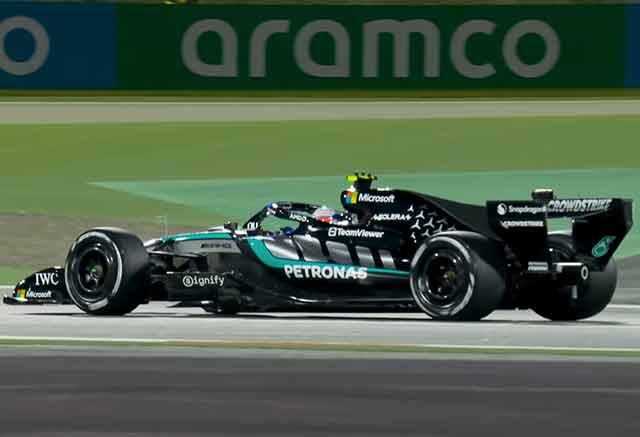
The Petronas F1 2026 fuel homologation has become a controversial surprise before the new Formula 1 with the fuel partner of Mercedes racing to ensure approval before the first round of the season, the Australian Grand Prix. With Formula 1 switching to fully sustainable fuels in the context of sweeping 2026 regulations, any certification delays would compel a number of frontrunner teams to start the season with a temporary mixture.
To begin with, there is a transformed regulatory environment. In the past seasons fossil fuel samples were submitted to an FIA-approved laboratory in the United Kingdom where they were tested. It was a comparatively simple procedure: bring this sample, check it in accordance with technical specifications, and in two to three weeks become certified. There is no longer just that simplicity.
As sustainable fuel becomes a core stake in the 2026 rule overhaul, the FIA has introduced a much stricter process of homologation. The way the responsibility has been devolved has been given to a British certification body which is charged not only with the responsibility of analysing the final fuel product but also with auditing the whole production chain. Each of the stages, of sourcing raw material, molecule validation, etc., should be at a high standard of sustainability and regulation expectations.
The F1 2026 fuel homologation process by Petronas thus is not just limited to lab work. Product compliance is now checked by the visit of inspectors to the production facilities. Not only the blended fuel supplied to teams is certified but also every component and participant of the manufacture of the product. It becomes more complex to a global supplier who has more than one plant.
Nonetheless, procedural issues notwithstanding, an official announcement has not been made that Mercedes-powered teams will not be deprived of the track time in Melbourne. There is a low probability of the possibility of cars not running. Contingency plans are however known to exist. Failure to homologate in time might necessitate that Mercedes, McLaren, Williams and Alpine might have to use a temporary fuel at the Australian Grand Prix.
This would not violate laws, as long as the interim mix does not go beyond the FIA sustainability limits. Nevertheless, it would be not at all perfect. The teams have taken months to tune on the power units based on some fuel properties. Fuel chemistry is closely related to combustion efficiency, energy deployment and thermal management. Replacement may have an impact on performance and reliability, it would be a last-minute replacement.
In addition, the optics are important. The 2026 regulations are also among the most radical sustainability changes ever to have taken place in Formula 1 history. The transition to all sustainable fuels will help make the sport a technological powerhouse in carbon-neutral development. Any delay in Petronas F1 2026 in terms of homologation of fuel would attract attention on the sheer amount of technical and bureaucratic hurdles.
This tougher stance of the FIA is prone to the political and environmental gravity perceived of this change. Sustainable fuels are not something that are in the performance component, but something symbolic. It is the desire of the ruling entity to shun loopholes or disparity in checks particularly in the first season of the new system.
Moreover, this is not a case only with Petronas. The fuel suppliers that are functioning under the 2026 framework undergo greater scrutiny. Nonetheless, Petronas having a longstanding history as the partner and supplier of eight cars in the grid, carries a lot of visibility. Anything, good or bad, will be heard back across the paddock.
Lastly, the scenario builds up to Melbourne as the situation highlights tension between innovation and regulation in a bigger picture. The move towards sustainability in Formula 1 requires technical developments, though they add an administrative aspect that can make development complicated. The case of Petronas F1 2026 fuel homologation operations shows that even an old partnership should be able to change according to the new standards very fast.
To sum up, a crisis situation is improbable but the next several weeks will be fateful. In case the certification is issued on time, the season of 2026 will commence without issues based on the new sustainable framework. Otherwise, tentative solutions will fill in the gap. Anyhow, the episode puts into perspective how complicated modern Formula 1 is now, with performance advantages equated by the ability to regulate down to the tiniest of details, and a single molecule as important as any milliseconds.
Follow the Social Media Channels :
Instagram: https://www.instagram.com/zeroto30s/
Facebook: https://www.facebook.com/zeroto30s
Twitter: https://twitter.com/zeroto30s
Youtube: https://www.youtube.com/@Zeroto30s